Hospital Discharge & Recovery Support at Home
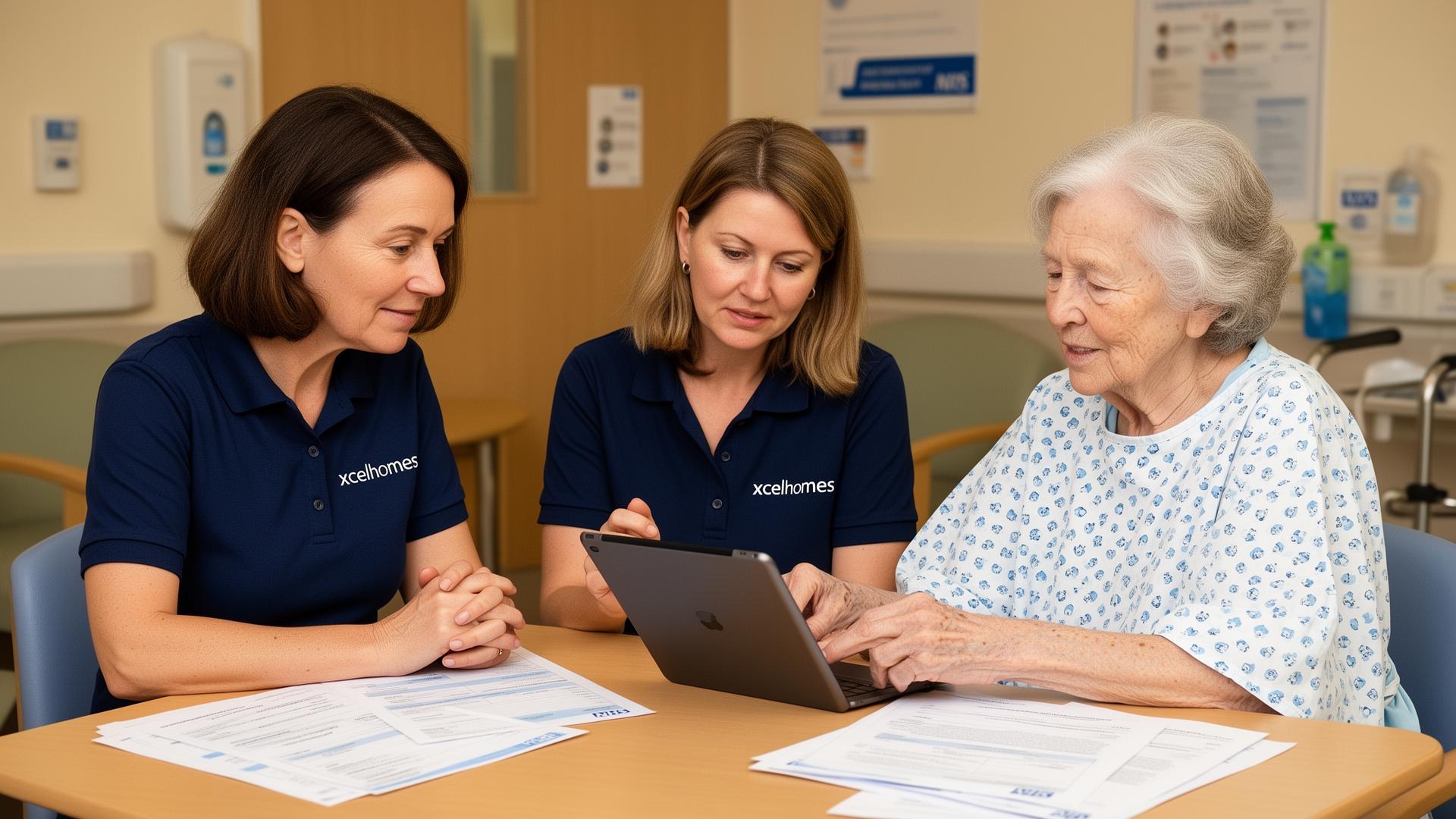
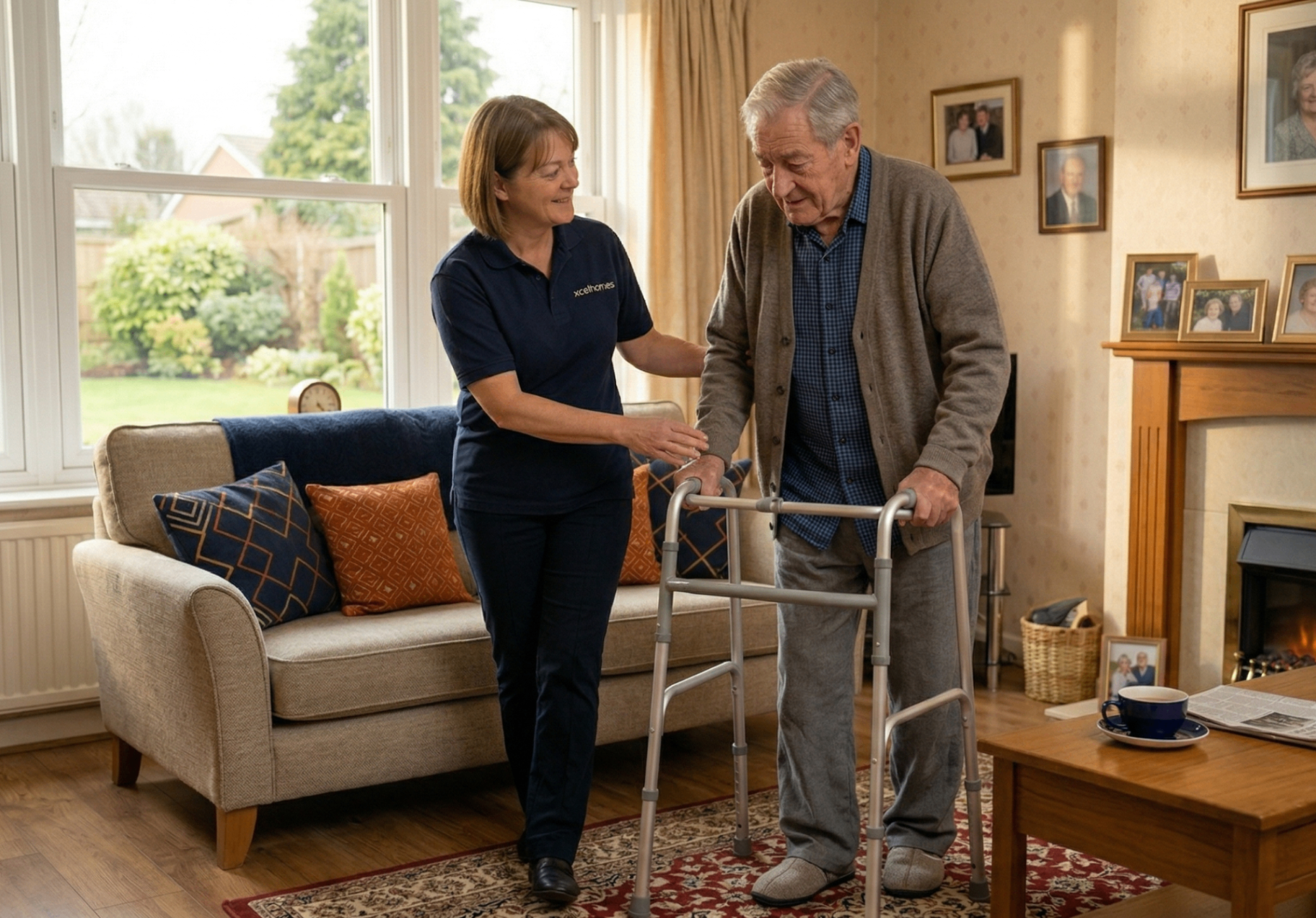
Return home safely and recover properly. Our experienced carers work with hospital discharge teams to provide the intensive support you need after surgery, illness or hospital stays, helping you regain strength and independence at home across Market Harborough, Leicestershire and Northamptonshire.
Safe Hospital-to-Home Transitions
Being discharged from hospital should be the beginning of recovery, but for many people, returning home after surgery, serious illness or extended hospital stays brings anxiety, vulnerability and real risks. You may be weak, in pain, struggling with mobility, unable to manage stairs, worried about wound care, or simply feel unsafe being alone so soon after hospital.
Hospital readmission rates are concerning – many people are rushed back to hospital within days or weeks of discharge due to falls, infection, medication errors, inadequate nutrition or simply not managing at home. Proper support during the critical post-discharge period makes the difference between successful recovery and dangerous setbacks.
Xcel Homes provides professional hospital discharge and recovery support at home across Market Harborough, Leicestershire and Northamptonshire, coordinating closely with hospital discharge teams, GPs and community nurses to ensure you have the intensive care support needed to recuperate safely.
We arrange care quickly – often within 24-48 hours of hospital discharge notification – ensuring you can leave hospital on time without waiting for care packages whilst preventing unnecessary extended hospital stays.
What Does Hospital Discharge & Recovery Support Include?
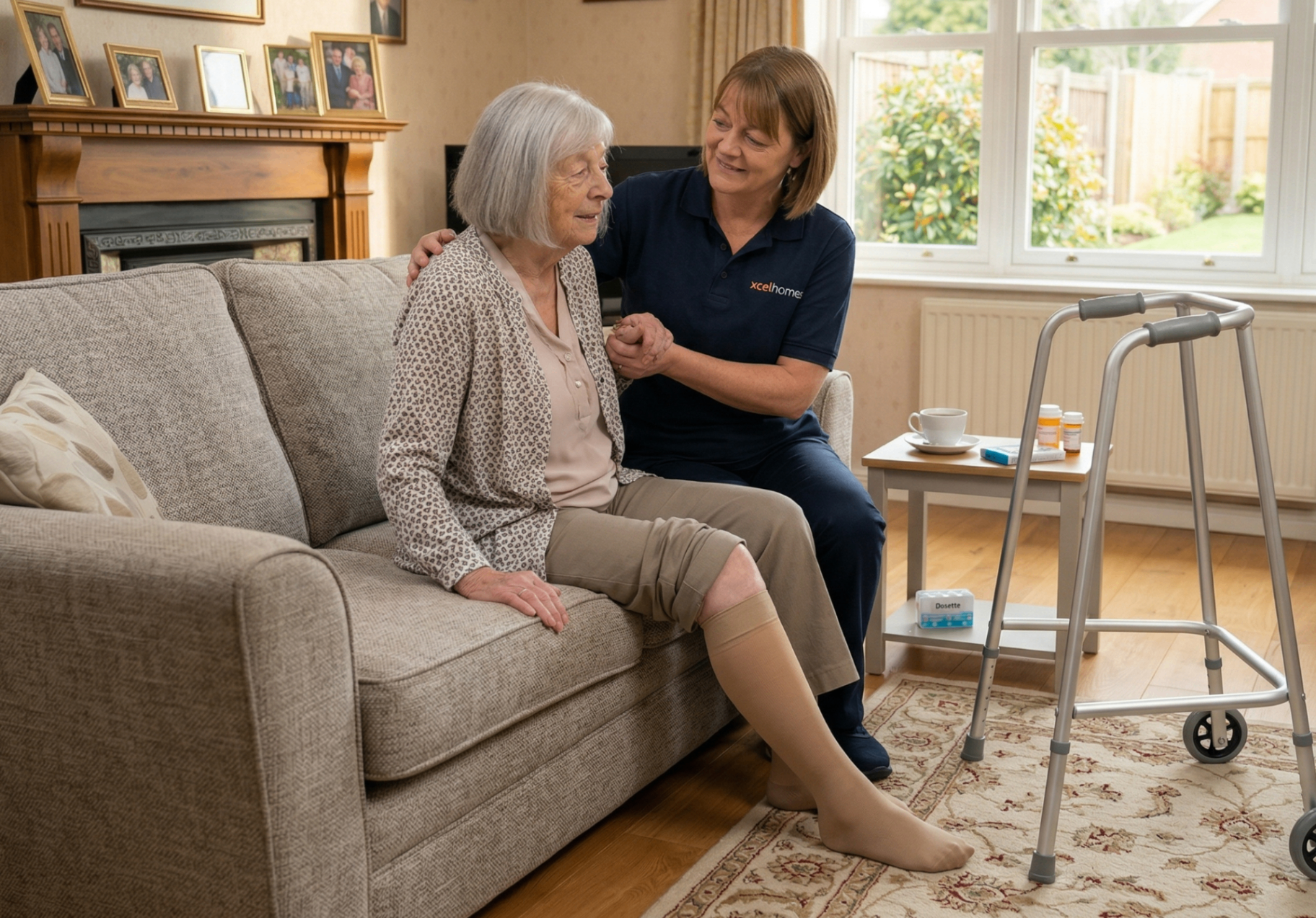
Our post-hospital recovery care provides comprehensive support tailored to your specific surgery, condition and discharge plan:
Post-Operative Care
- •Wound care and dressing changes (following clinical guidance)
- •Monitoring surgical sites for infection signs
- •Supporting with drains, catheters or medical equipment
- •Pain management and medication administration
- •Following post-operative instructions precisely
- •Reporting concerns to healthcare professionals
Mobility & Rehabilitation Support
- •Safe transfer assistance (bed, chair, toilet, stairs)
- •Supporting with physiotherapy exercises
- •Encouraging movement as per recovery plan
- •Falls prevention during vulnerable recovery period
- •Using mobility aids correctly
- •Gradually increasing activity levels safely
Personal Care
- •Full washing and bathing support initially
- •Adapting care as independence returns
- •Dressing and undressing assistance
- •Toileting support and continence care
- •Hair washing and grooming
- •Maintaining hygiene during limited mobility
Medication Management
- •Administering all discharge medications correctly
- •Managing new prescriptions and dosing schedules
- •Coordinating multiple medications post-surgery
- •Recognizing and reporting medication side effects
- •Ensuring pain relief is adequate
- •Liaising with GPs about medication issues
Nutrition & Hydration
- •Preparing nutritious recovery meals
- •Encouraging adequate fluid intake
- •Supporting special post-operative diets
- •Monitoring appetite and weight
- •Building strength through proper nutrition
- •Managing nausea or dietary restrictions
Health Monitoring
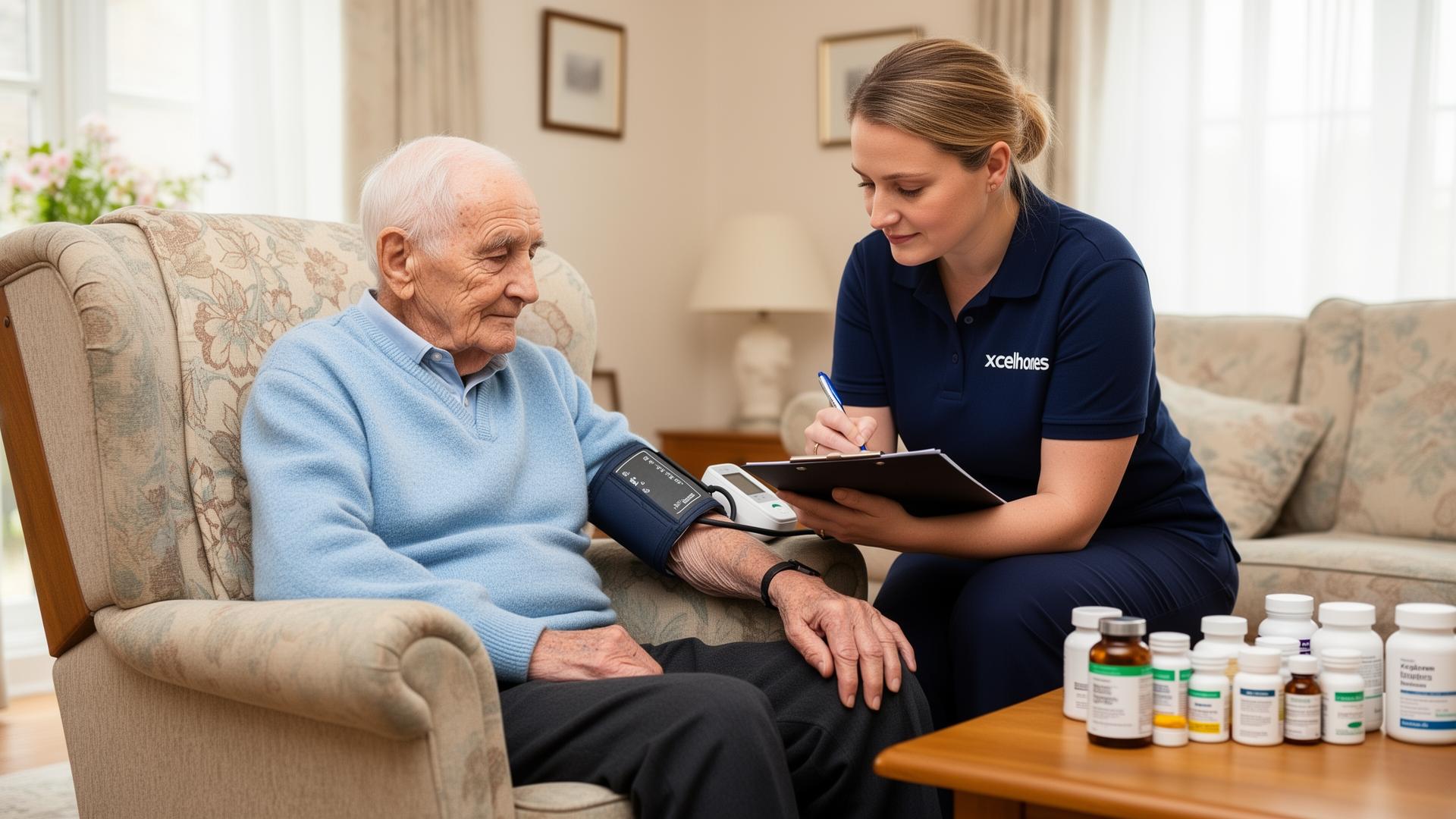
- •Temperature, blood pressure, pulse checks
- •Observing for complications or deterioration
- •Monitoring pain levels and relief effectiveness
- •Checking wound healing progress
- •Noting any concerning symptoms
- •Immediate reporting to clinical teams if needed
Hospital Coordination
- •Liaising with hospital discharge teams
- •Implementing hospital discharge care plans
- •Attending discharge planning meetings
- •Following clinical instructions precisely
- •Coordinating with community nurses
- •Ensuring smooth handovers
Preventing Readmission
- •Recognizing early warning signs of complications
- •Ensuring medication compliance
- •Supporting nutrition and hydration goals
- •Preventing falls and injuries
- •Monitoring infection signs
- •Rapid response to concerning changes
Recovery Support After Various Procedures & Conditions
We provide specialized recovery support following many types of hospital stays:
Hip/Knee Replacement
Post-operative mobility support, physiotherapy exercise assistance, managing surgical wounds, pain control, preventing complications, gradual return to independence.
Stroke Recovery
Supporting rehabilitation goals, communication patience, mobility assistance, encouraging affected side use, medication management, coordinating with therapists.
Heart Surgery/Cardiac Events
Following cardiac recovery protocols, monitoring vital signs, medication administration, supporting gentle activity increase, watching for complications.
Major Abdominal Surgery
Wound care, managing surgical drains, supporting comfortable positioning, nutrition support, pain management, monitoring healing.
Fracture/Falls Recovery
Safe mobility support, preventing repeat falls, encouraging bone healing through nutrition, pain management, gradual strengthening.
Cancer Treatment Recovery
Supporting post-chemotherapy/radiotherapy, managing treatment side effects, nutrition support, emotional support, coordinating with oncology teams.
Pneumonia/Respiratory Illness
Supporting breathing recovery, encouraging mobility to prevent complications, nutrition and hydration, medication management.
General Debility/Deconditioning
Building strength after extended hospital stays, encouraging movement, nutritious meals, preventing pressure sores, regaining independence gradually.
How We Help Prevent Hospital Readmission
Hospital readmission within 30 days of discharge is common but often preventable with proper support. We focus on the key factors that keep you recovering at home successfully:
Medication Compliance
Ensuring all discharge medications are taken correctly, on time, as prescribed – medication errors are a leading cause of readmission.
Early Problem Detection
Recognizing infection signs, worsening symptoms or complications early and seeking medical advice promptly before crisis develops.
Falls Prevention
Close supervision during vulnerable post-surgery period when falls risk is highest, preventing injuries requiring re-hospitalization.
Adequate Nutrition
Ensuring proper eating and drinking for healing and strength – malnutrition and dehydration commonly lead to readmission.
Wound Care
Proper surgical wound care, infection prevention, recognizing healing problems and coordinating with district nurses.
Clinical Coordination
Working with GPs, community nurses and hospital teams, attending follow-up appointments, implementing clinical guidance.
Short-Term Recovery Care or Longer-Term Support?
Hospital discharge care needs vary depending on your recovery trajectory:
Short-Term Recovery Support
2-12 weeks typically
Suitable For:
- Recovery from specific surgery or acute illness
- Temporary support while regaining strength
- Rehabilitation period support
- Transitioning to independence
Approach:
- •Intensive care initially (multiple daily visits or live-in)
- •Gradually reducing support as recovery progresses
- •Supporting physiotherapy and rehabilitation goals
- •Building confidence and independence
- •Eventually tapering off as you recover
Outcome: Most people regain independence and no longer need care after recovery period
Transition to Ongoing Care
Indefinite
Suitable For:
- Surgery revealing ongoing care needs
- Hospital stays highlighting existing vulnerabilities
- Recovery incomplete due to age or condition
- New disabilities requiring continued support
Approach:
- •Starting with intensive post-hospital care
- •Continuing with appropriate long-term support
- •Adjusting care level to stable ongoing needs
- •Supporting maintained independence at home
Outcome: Transitioning smoothly from recovery care to sustainable long-term care package
We're flexible – we assess recovery progress regularly and adjust care levels accordingly. Some people need intensive support for just 2-3 weeks, others benefit from ongoing care continuing beyond the initial recovery period.
What People Say About Our Hospital Discharge Support
"I am really pleased with the care and services offered and delivered — true compassion and care. Thank you."
A care recipient
Verified Xcel Homes client
"We're incredibly thankful to you and your team for all the support, kindness and dignity you have given R. It has meant a great deal to us all."
Family of R.
Family of an Xcel Homes care recipient
"All staff involved are friendly and professional, polite and very friendly, and understand our circumstances very well. Nothing is too much trouble and they make us feel cared about — they are very prompt. Also, they do their jobs without us having to remind them. Very good staff."
A family member
Family of an Xcel Homes care recipient
"My husband and I feel incredibly blessed that we have found Xcel. We have nothing but praise and high confidence in their competency, punctuality, personal interaction, and ability to support and assist my husband — and therefore me as well — in every aspect of their care. They are absolutely exceptional and really strive to support us and find ways to make our situation as comfortable and as safe as possible."
Wife of a client
Spouse of an Xcel Homes care recipient
"We have really loved having your agency helping. Great bunch of staff, great interactions, work hard. I am so happy with you all."
A family
Verified Xcel Homes client
Working with Hospital Discharge Teams & Community NHS
Successful hospital discharge requires coordination between hospital, community healthcare and care providers. We work closely with:
Hospital Discharge Teams
Attending discharge planning meetings, receiving discharge care plans, implementing hospital instructions, ensuring smooth transitions.
District/Community Nurses
Coordinating wound care, catheter management, injections, following clinical protocols, sharing health observations.
GPs & Community Teams
Reporting health concerns, coordinating medication reviews, attending appointments with you, implementing treatment plans.
Therapists (Physio/OT)
Supporting physiotherapy exercises, using adaptive equipment correctly, implementing occupational therapy recommendations, encouraging rehabilitation.
We communicate regularly with all healthcare professionals involved in your recovery, ensuring everyone works together toward your rehabilitation and wellbeing goals.
Funding Hospital Discharge & Recovery Care
NHS Reablement/Discharge to Assess
Short-term NHS-funded care (typically 6 weeks) to assess your needs and support recovery after hospital discharge.
Eligibility: Offered by hospital discharge teams
Ask hospital about reablement support
NHS Continuing Healthcare
Fully funded NHS care for complex health needs following hospital stays, potentially covering all recovery care costs.
Eligibility: Assessed based on health complexity
Local Authority Funding
Council-funded care following hospital discharge assessment, potentially covering recovery support costs.
Eligibility: Means-tested assessment
Private Self-Funding
Pay directly with transparent rates for intensive recovery support, reducing as needs decrease over recovery period.
From £25/hour (visiting) or £900-£1,400/week (live-in)
Many people qualify for NHS or council funding for post-hospital care, at least initially. We help navigate funding options and can start care privately if needed whilst funding applications are processed.
CQC-Registered Hospital Discharge Support
Xcel Homes Ltd is registered with the Care Quality Commission for personal care services including post-hospital discharge and recovery support. We work to hospital discharge protocols and coordinate with NHS community teams.
Frequently Asked Questions About Hospital Discharge Support
Ready to Arrange Safe Hospital Discharge Support?
Don't face hospital discharge alone. Our experienced team coordinates with hospital teams to ensure you have the intensive support needed to recover safely and avoid readmission.
Address
Xcel Homes Ltd
Barking House, Farndon Road, Market Harborough
Leicestershire, LE16 9NP