
Companionship & Social Support at Home
Combat loneliness with friendly companionship visits. Our warm, engaging carers provide conversation, shared activities and outings that boost wellbeing, maintain social connections and bring joy back into daily life across Market Harborough, Leicestershire and Northamptonshire.
More Than Just Care – Friendship and Connection
Loneliness affects millions of people across the UK, particularly older adults, people with disabilities, those living alone, or anyone who's lost social connections through bereavement, illness or reduced mobility. The physical and emotional impact of social isolation is profound – it affects mental health, physical wellbeing and overall quality of life.
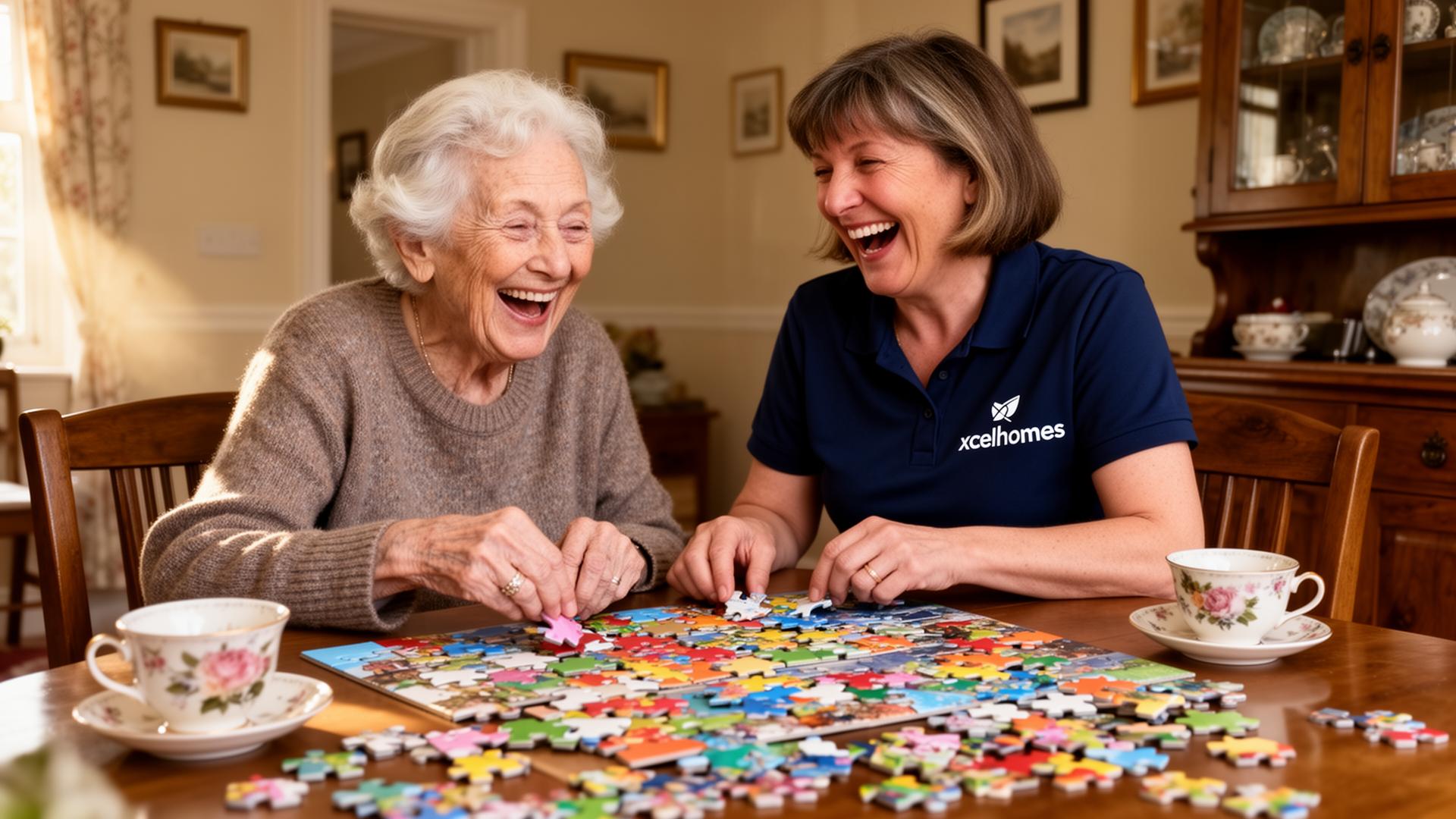
Companionship care isn't about medical tasks or personal care – it's about human connection. It's having someone to talk to, laugh with, share activities with and simply enjoy spending time together. Our companionship carers are carefully matched to your interests and personality, creating genuine friendships that bring joy, stimulation and purpose back into daily life.
Whether you need regular weekly companionship visits, occasional social outings, support maintaining hobbies, or simply someone to share a cup of tea and conversation with, Xcel Homes provides warm, engaging companionship that treats you as a friend, not just a client.
We serve individuals and families across Market Harborough, Leicester and Leicestershire who want to combat isolation, maintain social engagement and improve emotional wellbeing through meaningful human connection.

Quick Facts
What Does Companionship & Social Support Include?
Our companionship visits can include any activities and support that promote social wellbeing and reduce isolation:
Conversation & Social Interaction
- Friendly, engaging conversation
- Active listening and genuine interest
- Sharing stories and memories
- Discussing news, current events, interests
- Reminiscing about life experiences
- Laughter and emotional connection
Activities & Hobbies
- Board games, cards, puzzles, jigsaws
- Arts and crafts projects
- Reading books or newspapers together
- Watching favorite TV programs or films
- Listening to music from your era
- Working on hobbies (knitting, painting, etc.)
Outings & Community Access
- Walks in local parks or gardens
- Shopping trips (not just groceries – browsing!)
- Coffee shop visits
- Library or community center trips
- Attending church or places of worship
- Garden centers, museums, local attractions
Maintaining Social Connections
- Support attending social clubs
- Help with video calls to family
- Encouraging community participation
- Transport to appointments (non-medical)
- Visiting friends or neighbors
- Attending local events
Practical Social Support
- Help with correspondence and letters
- Support with using technology (tablets, phones)
- Assistance with emails to family/friends
- Looking at photos and organizing albums
- Light shopping and errands (as part of outing)
- Post office or bank visits
Emotional Wellbeing
- Reducing feelings of loneliness
- Boosting mood and motivation
- Providing routine and structure
- Encouraging maintained interests
- Mental stimulation through conversation
- Genuine friendship and caring
The Powerful Benefits of Companionship
Regular companionship visits offer remarkable benefits beyond just reducing loneliness:
Improved Mental Health
Regular social interaction reduces depression and anxiety, improves mood, and provides something to look forward to each week.
Better Physical Health
Studies show people with regular social contact have lower blood pressure, stronger immune systems and live longer than isolated individuals.
Cognitive Stimulation
Conversation, activities and mental engagement help maintain cognitive function, memory and mental sharpness, especially important for dementia prevention.
Maintained Independence
Companionship helps people remain living independently at home for longer by providing motivation, routine and support with daily life.
Reduced Family Worry
Families gain peace of mind knowing their loved one has regular visitors, social stimulation and someone checking they're okay.
Improved Quality of Life
Simply having someone to share experiences with, laugh with and talk to makes life more enjoyable, meaningful and worth living.
Who Benefits Most from Companionship Support?
Companionship care helps many different people experiencing social isolation:
Older Adults Living Alone
People who've lost partners or whose families live far away, experiencing daily loneliness and lack of conversation.
Recently Bereaved
Those grieving the loss of a spouse, partner or close friend who suddenly find themselves isolated and lonely.
Limited Mobility
People whose physical limitations prevent them from getting out independently, leading to increasing isolation.
Dementia (Early-Mid Stage)
Individuals with memory loss who benefit from social stimulation, routine visits and cognitive engagement.
Depression & Anxiety
People whose mental health conditions make social interaction difficult, benefiting from non-judgmental companionship.
Post-Hospital Discharge
Those recovering at home who need social contact and motivation during rehabilitation periods.
Carers Needing Respite
Family carers who need regular breaks whilst ensuring their loved one has social engagement in their absence.
Isolated Through Circumstance
Anyone who's become socially isolated through illness, disability, retirement, relocation or loss of social networks.
You don't need to be elderly or have a diagnosed condition to benefit from companionship. Anyone experiencing loneliness, social isolation or simply wanting regular friendly company can access companionship support.
Popular Activities Our Companions Enjoy with Clients
Every companionship relationship is unique, tailored to individual interests. Here are some favorites:
Indoor Activities
- •Playing cards or board games
- •Completing jigsaws together
- •Arts and crafts projects
- •Baking or cooking
- •Looking through photo albums
- •Watching favorite films or programs
- •Reading aloud to each other
- •Listening to music and reminiscing
Outdoor Activities
- •Gentle walks in local parks
- •Garden center visits
- •Feeding ducks at local ponds
- •Sitting in gardens (yours or public)
- •Bird watching
- •Visiting National Trust properties
- •Attending outdoor markets
- •Simply sitting outside with tea
Social Outings
- •Coffee shop visits
- •Lunch at favorite cafes
- •Library trips
- •Shopping (browsing, not just groceries)
- •Attending church or community groups
- •Local events and fairs
- •Museum or gallery visits
- •Cinema or theater trips
Home-Based Social
- •Long conversations over tea
- •Sharing life stories and memories
- •Looking at old photographs
- •Watching sports together
- •Discussing books or newspapers
- •Playing musical instruments
- •Shared hobbies (knitting, painting)
- •Video calling family together
The beauty of companionship care is flexibility – you choose activities you genuinely enjoy. If you hate jigsaws but love gardening, your companion will work in the garden with you. If you're a keen reader, they'll discuss books with you. It's about shared interests, not prescribed activities.
How We Match You With the Right Companion
The success of companionship care depends entirely on matching compatible personalities and interests. Our process ensures you connect with someone you genuinely enjoy spending time with:
Understanding You
During assessment, we spend time learning about your personality, interests, hobbies, background, sense of humor, and what kind of person you'd enjoy spending time with.
Finding Compatible Companions
We match you with carers who share similar interests, compatible personalities, and appropriate age/background for natural conversation and connection.
Introduction Meeting
Before regular visits begin, we arrange an introduction meeting so you can meet your companion, chat, and see if you click naturally together.
Building Friendship
Over the first few visits, the relationship develops naturally. If it's not quite right, we can arrange an alternative companion – finding the right match is essential.
Many of our companionship relationships last for years, with genuine friendships developing. Clients and companions often exchange Christmas cards, birthday wishes, and genuinely care about each other's lives. That's the kind of connection we aim for.
What People Say About Our Companionship Support
"I am really pleased with the care and services offered and delivered — true compassion and care. Thank you."
A care recipient
Verified Xcel Homes client
"We're incredibly thankful to you and your team for all the support, kindness and dignity you have given R. It has meant a great deal to us all."
Family of R.
Family of an Xcel Homes care recipient
"All staff involved are friendly and professional, polite and very friendly, and understand our circumstances very well. Nothing is too much trouble and they make us feel cared about — they are very prompt. Also, they do their jobs without us having to remind them. Very good staff."
A family member
Family of an Xcel Homes care recipient
"My husband and I feel incredibly blessed that we have found Xcel. We have nothing but praise and high confidence in their competency, punctuality, personal interaction, and ability to support and assist my husband — and therefore me as well — in every aspect of their care. They are absolutely exceptional and really strive to support us and find ways to make our situation as comfortable and as safe as possible."
Wife of a client
Spouse of an Xcel Homes care recipient
"We have really loved having your agency helping. Great bunch of staff, great interactions, work hard. I am so happy with you all."
A family
Verified Xcel Homes client
Funding Companionship & Social Support
Local Authority Social Care
Some councils fund companionship as part of care packages for those meeting eligibility criteria, recognizing social isolation's health impact.
Eligibility
Means-tested care assessment
Direct Payments
Use personal budgets or direct payments to employ companions with flexibility and control over who visits and when.
Eligibility
Approved through assessment
Charitable Grants
Various charities provide grants for companionship services for older people, bereaved individuals or those with specific conditions.
Examples
Age UK, Royal British Legion, condition-specific charities
Private Self-Funding
Pay directly with transparent hourly rates. Many families find companionship care affordable and worth every penny for the wellbeing benefits.
Pricing
From £22 per hour (often less than task-focused care)
Companionship care is often more affordable than you expect. Many families prioritize it because the emotional wellbeing benefits are so significant – seeing a loved one happy, engaged and looking forward to visits is priceless.
CQC-Registered Companionship Services
Xcel Homes Ltd is registered with the Care Quality Commission for personal care services, including companionship and social support. Our companions are carefully recruited for their warmth, empathy, reliability and genuine interest in people.

Frequently Asked Questions About Companionship Care
Ready to Bring Friendship into Your Life?
Loneliness doesn't have to be permanent. Our warm, engaging companions are ready to share conversation, activities and genuine friendship that makes life brighter and more connected.

Address
Xcel Homes Ltd
Barking House, Farndon Road, Market Harborough
Leicestershire, LE16 9NP